


Custom Jewelry Boxes
A jewelry box has one job a regular box doesn't it has to make something small feel significant the moment it's opened. iPackU designs custom jewelry boxes built around the piece inside a ring box sized so the ring doesn't rattle, a necklace box that keeps the chain from tangling in transit, a bracelet box that holds its shape on a store shelf. Whether you're shipping direct-to-customer or stocking a retail counter, we build the box around what's actually going inside it.
Get an Instant Quote


Showing all 8 results
-
Bracelet Boxes
iPackU offers several styles of bracelet boxes in different shapes and colors. We are the leading bracelet boxes manufacturer in…$1.00 -
Custom Light Box
iPackU creates Custom Light Box packaging that enhances jewelry presentation with built-in LED lights. We design each box with soft… -
Jewelry Display Boxes
Our jewelry display boxes are stylish, functional, and available in a variety of sizes and styles. These boxes are ideal…$1.00 -
Jewelry Subscription Box
At iPackU, we offer Jewelry Subscription Box! Our boxes come in various styles, from sleek modern designs to elegant vintage-inspired…$1.00 -
kraft Jewelry Boxes
Our kraft jewelry boxes come in various sizes and styles. We use eco-friendly materials.These boxes are perfect to showcase jewelry…$1.00 -
Luxury Jewelry Packaging
At iPackU, we create high end luxury jewelry packaging to offer your jewelry a unique and creative look. Available in…$1.00 -
Necklace Boxes
Looking for the perfect way to store or gift your necklace? Our beautiful necklace boxes are exactly what you need!…$1.00 -
Ring Boxes
Looking for the perfect ring box? Our premium ring boxes are designed to impress. Available in a different of sizes…$1.00


The Box Sets the Expectation Before They See the Jewelry
Someone opening a jewelry box has already decided on some level, what they’re about to see. A flimsy box undersells a $200 piece before it’s even out of the packaging. A box that feels substantial real weight. A lid that closes with intention and an interior that cradles the piece rather than letting it slide around does half the selling before the jewelry itself is visible. That’s not marketing spin it’s just how people actually experience unwrapping something small and valuable.
Every Jewelry Type Has a Different Failure Point
A ring box and a necklace box aren’t solving the same problem, even though they’re both “jewelry packaging.” A ring needs to sit still too much room inside and it rattles, too little and the box looks cheap. A necklace needs the opposite consideration chains tangle if they’re not secured, and a customer opening a knotted chain is a bad first impression regardless of how nice the box looks. Bracelets need enough structure to hold their shape without crushing. Earrings need small, secure compartments so a pair doesn’t separate in shipping.
We build to the piece, not a one-size-fits-all template:
- Ring boxes: compact, often with a slotted foam or velvet insert that holds the ring upright and still
- Necklace boxes: sized with enough depth for a card or hook mount, so the chain stays laid out rather than balled up
- Bracelet boxes: structured enough to hold shape on a shelf, without adding bulk that inflates shipping cost
- Multi-piece and jewelry set boxes: divided compartments so a set doesn’t shift and pieces don’t scratch each other in transit
A Rough Guide to Sizing (So You’re Not Guessing)
Sizing a jewelry box wrong in either direction causes a real problem too tight and the piece is a fight to get in and out; too loose and it moves around, which is exactly what damages delicate pieces in transit. A few starting points, though your exact piece may need adjusting:
- Rings: small boxes, generally in the 1.5″ to 2″ range, built around a slotted insert rather than an empty interior
- Earrings/studs: shallow, wide boxes with a card or foam insert with pre-cut holes so pairs stay matched
- Necklaces and chains: boxes with enough length and depth to lay a chain flat or loop it over a hook mount, rather than coiling it loose
- Bracelets and bangles: boxes sized close to the piece’s own diameter so it doesn’t shift, but not so tight it’s hard to remove
If you’re not sure which size fits your specific piece, send us the dimensions this is exactly the kind of thing worth confirming before a full production run rather than after.
Materials, What You’re Actually Trading Off
“Which material is best” doesn’t have one answer it depends what you’re optimizing for. Here’s the real trade-off between the options:
- Rigid board: the heaviest, most structurally solid option, and the one that most signals “premium” the instant it’s picked up. Costs more per unit and doesn’t ship flat, which adds to freight and storage cost.
- Kraft: lighter, natural-looking, and generally the better fit for brands leaning into a sustainable or handmade positioning. Less structurally protective than rigid board, so better suited to lighter costume jewelry than heavy statement pieces.
- Cardboard: the middle ground more affordable than rigid, more structure than plain Kraft, and the most common choice for everyday retail jewelry lines that don’t need a luxury unboxing moment on every order.
None of these is objectively “better” a $15 pair of earrings and a $400 gold bracelet have different needs, and the material should match what’s actually inside, not just what looks nicest in a photo.
Protection Isn’t Just Padding It’s Chemistry Too
Cardboard and rigid board protect against impact, but jewelry has a subtler enemy tarnish. Metal exposed to air and humidity during storage and shipping can dull before it ever reaches the customer. Anti-tarnish paper or tissue inside the box, and a snug-fitting insert that limits how much the piece moves around, both matter more for jewelry than for almost any other product category we pack. If tarnish protection matters for your line, tell us it’s a detail that’s easy to build in from the start and expensive to fix after the fact with a return.
Retail Counter vs. Direct-to-Customer Shipping Different Jobs
A box sitting on a jewelry store counter and a box traveling through a shipping network are solving different problems, even if the jewelry inside is identical. A retail display box needs to look good under store lighting. Open smoothly in front of a customer and hold up to repeated handling by staff throughout the day. A direct-to-customer shipping box needs to survive a delivery truck, a mailroom and possibly a doorstep sitting in weather for a few hours protection and a tamper-evident close matter more there than shelf appeal.
If you’re selling through both channels, it’s worth having two slightly different specs rather than forcing one box to do both jobs adequately instead of either job well.
Branding, Finish and the Unboxing Moment
Custom foil logo stamping, embossing or debossing for a tactile mark. A soft-touch or matte lamination finish are the most common ways jewelry brands make a box feel like theirs rather than a generic supplier’s stock products. This matters more in jewelry than in most categories because of how often the packaging itself ends up documented unboxing photos and videos are a real, recurring part of how small jewelry brands get discovered, especially through word of mouth and social sharing. A box that photographs well isn’t a vanity detail here it’s closer to a marketing asset that ships with every order for free.
Small details do a lot of the work a foil edge catching light in a photo, a ribbon in a consistent brand color across every order, a lid that closes with a satisfying magnetic click rather than just tucking shut. None of these are expensive additions individually. But together they’re often the difference between packaging that gets photographed and shared versus packaging that gets thrown away without a second look.
Sustainability, If It’s Part of Your Brand Story
A growing number of jewelry buyers, especially in the handmade and independent-brand space, actively look for packaging that matches an eco-conscious brand story plastic-free, recyclable, minimal unnecessary material. Kraft board and recyclable cardboard both support that positioning honestly, without needing a separate “sustainability” line item tacked onto the cost. If this is part of how you talk about your brand, it’s worth choosing the material with that in mind from the start rather than retrofitting the story onto packaging that doesn’t back it up.
Built for Sellers at Every Scale
You don’t need to be a large retailer to get real custom packaging. Low minimum order quantities and no die or plate charges mean an independent jewelry maker shipping fifty orders a month gets the same design attention as a retail chain ordering thousands. If you’re currently using generic boxes from a big-box supplier because a “real” custom order felt out of reach, that’s exactly the gap we’re built to close.
Get Custom Jewelry Boxes from iPackU
Tell us what you’re packaging rings, necklaces, bracelets, or a full set along with your rough order size and whether it’s headed for a retail counter or a customer’s doorstep, and we’ll recommend a structure, material, and finish that fits both the piece and your budget.
Premium Finishes


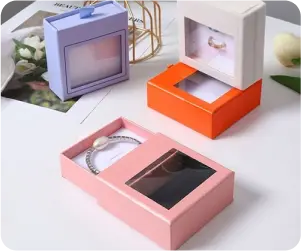
Coating & Laminations

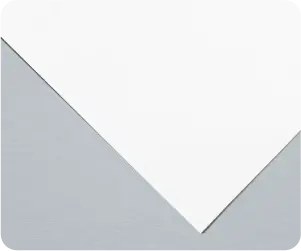


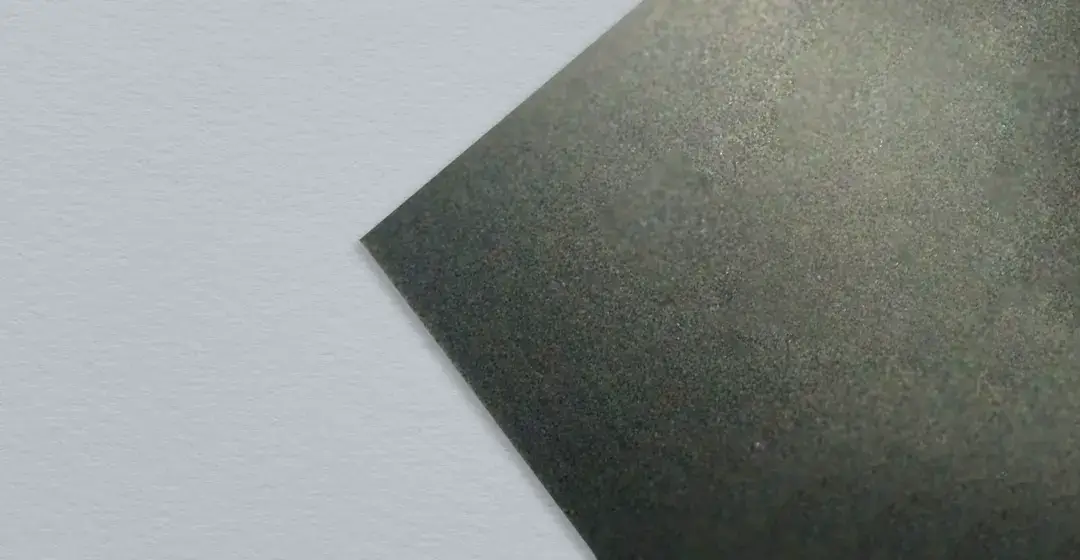

Special Capabilities/ Add-On

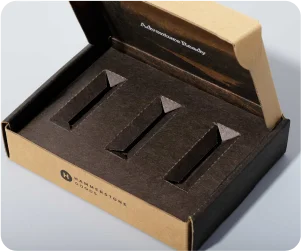


Unlimited Accessories
Meet your exact needs and preferences with easily personalized handles and buttons.

Material

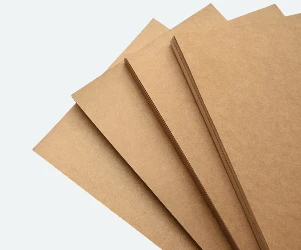
Kraft
Kraft is often used for packaging and ecommerce products because of its durability, elasticity, and environmental benefits.

Corrugated
a sturdy packaging material made of three layers of kraft paper. its ideal for heavey or weighted products' packaging.
Is There a Minimum Order Quantity for Custom Jewelry Boxes?
We deliberately keep our minimum orders low, making it possible for independent jewelry makers and small brand owners to get hold of real, one-of-a-kind custom packaging without having to make a huge commitment upfront.
What's the Difference between a Ring Box and a Necklace Box?
A ring box is usually smaller with a snug insert that keeps the ring in place. On the other hand, a necklace box is built with a bit more depth and will often have a card or hook to lay the chain flat, so it doesn’t get tangled up.
Can You Add Anti-Tarnish Protection Inside the Box?
Yes, we can actually build anti-tarnish paper or tissue into the interior of the box which is especially important for jewelry since metal does react to air and humidity over time.
Can I Add My Logo or Branding to the Box?
Yes, we can do all sorts of things like foil stamping, embossing, and debossing and we also offer custom color and finish options, so you can get the box to look like its part of your brand in the first place.
What Materials are Jewelry Boxes Normally Made From?
We make our boxes from rigid board for a high-end feel that doesn’t collapse easily, Kraft if you want a natural or eco-friendly look, or cardboard if budget is your main concern the right choice will really depend on what your price point and brand image are.
Do You Have Inserts to Stop Multiple Pieces from Moving or Scratching Each Other?
Yes, we can do divided or foam/velvet inserts for jewelry sets, so each piece stays nice and separate and isn’t damaged during shipping.
Do I Need Different Packaging for Retail vs Online Sales?
More often than not, yeah you’ll need a retail display box that looks good on a shelf and can withstand some handling, but a shipping box has to be about protection and having a secure way to seal it up. If you’re selling in both channels we can spec each one out separately.
Do You Offer Eco-Friendly or Sustainable Jewelry Packaging Options?
Yeah, we’ve got Kraft and recyclable cardboard available if you’re looking to reduce your brand’s impact.
Can I Get a Sample Before Placing a Big Order?
Yes, we can knock up a sample, so you can check the fit, feel and finish before committing to a whole production run.
How Long Does Production Take?
We can do fast and rush delivery depending on the size of the order and what kind of finish you’re looking for, but our team will give you a specific time frame once we’ve reviewed your quote request.